Sonora Impresion 3D: Beats Traditional Methods?
- EOS Manufacturing
- Jul 21, 2025
- 4 min read

Imagine a future where local manufacturers in Sonora can rapidly prototype, customize products on demand, and compete on a global scale without massive upfront investment. This vision is rapidly becoming a reality thanks to the rise of Sonora: Impresion3D. But is 3D printing truly poised to outperform traditional manufacturing methods, especially considering the specific economic and industrial landscape of Sonora? This article delves into this question, exploring the strengths and weaknesses of both approaches and examining the potential for 3D printing to revolutionize manufacturing in Sonora. We will analyze material considerations like ABS, discuss the global competitive landscape, and assess the impact on local manufacturers.
Understanding the Manufacturing Landscape in Sonora
Sonora boasts a diverse manufacturing sector, traditionally focused on industries like automotive, aerospace, and electronics. These sectors rely heavily on established manufacturing processes such as injection molding, CNC machining, and casting. These methods are excellent for mass production, offering economies of scale and consistent quality. However, they often require significant upfront investment in tooling and machinery. This can create barriers to entry for smaller businesses and limit the flexibility to adapt to rapidly changing market demands. Understanding the nuances of this landscape is vital before evaluating the impact of Sonora: Impresion3D.
The Strengths of Traditional Manufacturing
Traditional manufacturing techniques offer several key advantages that continue to make them relevant:
High-volume Production: Processes like injection molding excel at producing large quantities of identical parts quickly and efficiently.
Established Supply Chains: Sonora has a well-developed infrastructure and established supply chains for traditional manufacturing materials and equipment.
Material Options: A wide range of materials, including metals, polymers, and composites, can be processed using traditional methods.
Surface Finish and Tolerances: Traditional methods can often achieve superior surface finishes and tighter tolerances compared to some 3D printing processes.
These advantages are particularly important for industries where high-volume production and stringent quality requirements are paramount.
The Rise of Sonora: Impresion3D
3D printing, also known as additive manufacturing, is a process of building three-dimensional objects layer by layer from a digital design. This technology offers a fundamentally different approach to manufacturing, with significant implications for speed, customization, and cost. Sonora: Impresion3D has the potential to transform the region's manufacturing capabilities.
Advantages of 3D Printing in Sonora
Rapid Prototyping: 3D printing allows manufacturers to quickly create prototypes and test designs, reducing development time and costs.
Customization and On-Demand Manufacturing: 3D printing enables the production of customized parts and products tailored to specific customer needs. This is particularly valuable for low-volume or niche applications.
Reduced Tooling Costs: 3D printing eliminates the need for expensive tooling, making it more accessible for small businesses and startups.
Design Freedom: 3D printing allows for the creation of complex geometries and intricate designs that are difficult or impossible to achieve with traditional methods.
Local Production and Shorter Supply Chains: Impresion3D empowers local manufacturers, reducing reliance on global supply chains and enabling faster turnaround times.
Material Considerations: ABS and Beyond
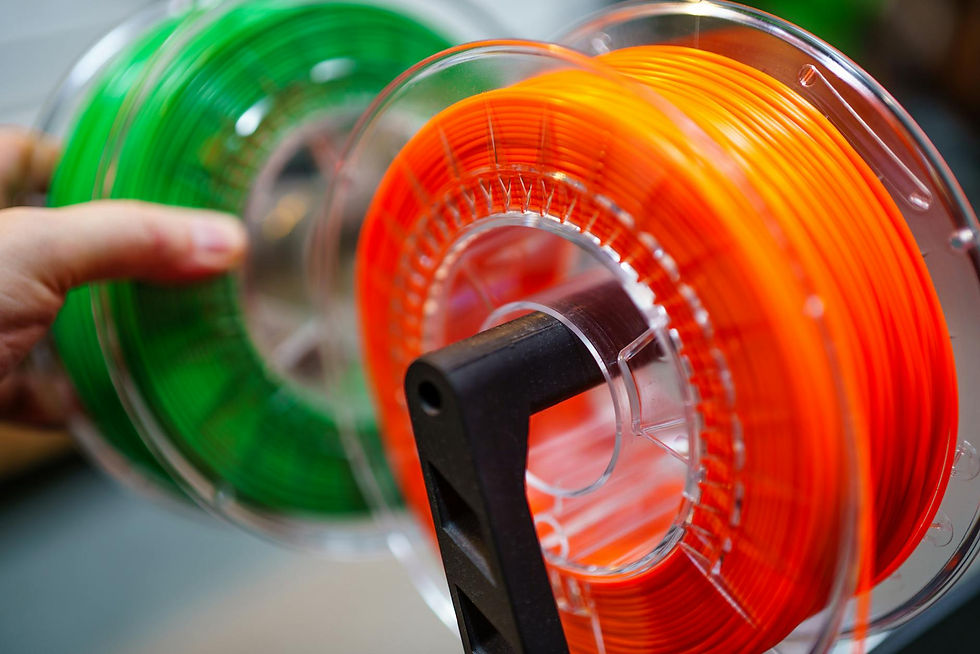
While 3D printing offers numerous advantages, material selection remains a critical factor. ABS (Acrylonitrile Butadiene Styrene) is a common 3D printing material known for its strength, durability, and heat resistance. However, it's important to consider the broader range of materials available for both 3D printing and traditional manufacturing. The choice of material should always be driven by the specific application requirements. Other 3D printing materials include PLA, PETG, nylon, and various composites. Advancements in materials science are constantly expanding the range of materials that can be used in 3D printing, bridging the gap with traditional manufacturing.
Como la Impresion 3D Compite a Nivel Global con la Manufactura Tradicional y su Impacto en Sonora
The global manufacturing landscape is rapidly evolving, with 3D printing emerging as a competitive force. Como la Impresion 3D compite a nivel global con la manufactura tradicional is a complex question with no simple answer. 3D printing excels in areas where customization, speed, and low-volume production are critical. However, traditional manufacturing retains its dominance in high-volume production and applications requiring specific material properties or surface finishes.
The Impact on Local Manufacturers in Sonora
The adoption of Sonora: Impresion3D can have a significant impact on local manufacturers. It can empower them to:
Compete Globally: By offering customized products and faster turnaround times, local manufacturers can compete with larger companies on a global scale.
Attract New Business: The ability to offer 3D printing services can attract new business opportunities and diversify revenue streams.
Improve Efficiency: 3D printing can streamline prototyping and manufacturing processes, leading to improved efficiency and reduced costs.
Foster Innovation: The design freedom offered by 3D printing can foster innovation and the development of new products.
Overcoming Challenges and Embracing the Future
Despite its potential, the widespread adoption of Sonora: Impresion3D faces several challenges. These include the initial investment cost of 3D printing equipment, the need for skilled personnel to operate and maintain the equipment, and the limitations of certain 3D printing materials. To overcome these challenges, local manufacturers should:
Invest in Training: Provide training for employees on 3D printing technologies and best practices.
Partner with Experts: Collaborate with 3D printing service providers or consultants to gain access to expertise and resources.
Focus on Niche Applications: Identify specific applications where 3D printing can provide a competitive advantage.
Stay Informed: Keep abreast of the latest advancements in 3D printing technology and materials.
Conclusion: A Hybrid Approach for Sonora's Manufacturing Future
The future of manufacturing in Sonora likely lies in a hybrid approach that combines the strengths of both traditional manufacturing and 3D printing. While traditional methods will continue to be essential for high-volume production, 3D printing offers a powerful tool for customization, rapid prototyping, and low-volume manufacturing. By embracing Sonora: Impresion3D and strategically integrating it into their existing operations, local manufacturers can enhance their competitiveness, foster innovation, and position themselves for success in the evolving global marketplace. The key takeaway is that successful implementation requires careful consideration of the specific needs and requirements of each application. Embrace the future of manufacturing in Sonora, explore the potential of 3D printing, and start experimenting with this transformative technology today. Contact your local 3D printing service provider to learn more.

Comments