Impresion 3D: ¿Golpe a Manufactura en Nogales?
- EOS Manufacturing
- Jul 21, 2025
- 4 min read

The humming of 3D printers, once a sound relegated to hobbyist workshops, is increasingly becoming a low but constant thrum in the landscape of global manufacturing. But what does this technological shift mean for established manufacturing hubs like Nogales, Sonora, a city deeply intertwined with traditional manufacturing and cross-border trade? The rise of Impresion 3D presents both a challenge and an opportunity. This article explores how this innovative technology impacts Nogales' manufacturing sector, examines its potential for nearshoring competition, and explores the future landscape of manufacturing in Sonora.
Understanding the Impresion 3D Revolution
Impresion 3D, also known as additive manufacturing, is rapidly transforming how products are designed, prototyped, and manufactured. Unlike traditional subtractive manufacturing processes, which remove material to create a desired shape, 3D printing builds objects layer by layer from digital designs. This fundamental difference allows for unparalleled design flexibility, reduced material waste, and the potential for on-demand production.
The Basics of 3D Printing Technologies
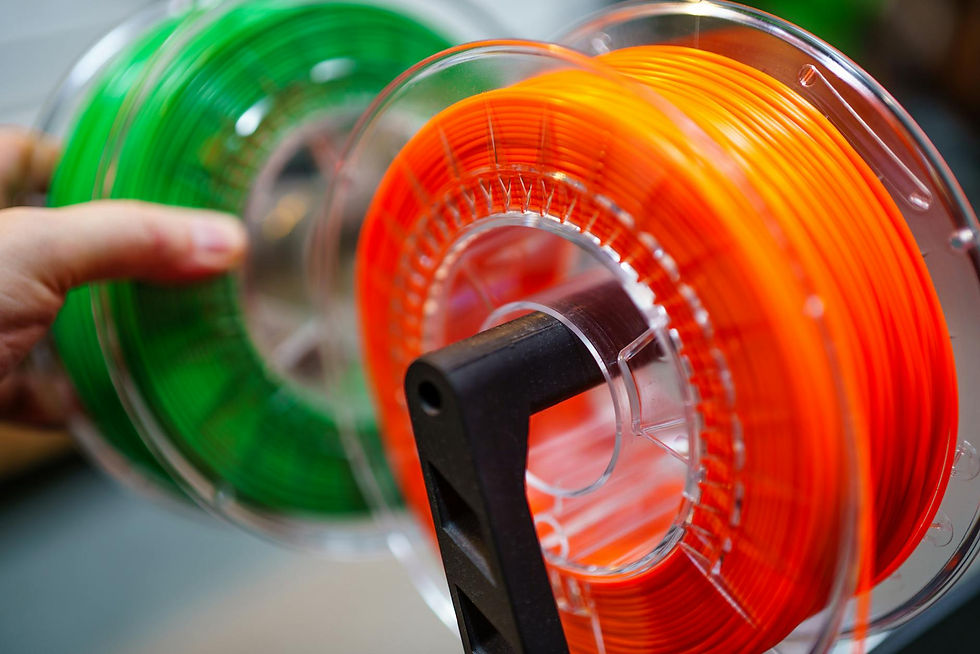
Several 3D printing technologies exist, each suited for different materials and applications. Fused Deposition Modeling (FDM), which often uses materials like PLA/PETG, is a popular choice for prototyping and low-volume production. Stereolithography (SLA) uses liquid resins cured by UV light, resulting in high-resolution parts. Selective Laser Sintering (SLS) utilizes lasers to fuse powdered materials, enabling the creation of strong and complex geometries. Understanding these technologies is crucial for assessing their potential impact.
Advantages of Impresion 3D in Manufacturing
Impresion 3D offers a compelling array of advantages for manufacturers:
Rapid Prototyping: Accelerate product development cycles by quickly creating and iterating on prototypes.
Customization: Produce highly customized products tailored to individual customer needs.
On-Demand Production: Minimize inventory costs by producing parts only when needed.
Reduced Waste: Minimize material waste compared to traditional subtractive manufacturing.
Complex Geometries: Create parts with intricate designs that are difficult or impossible to manufacture using conventional methods.
These advantages, however, must be weighed against the limitations, such as higher material costs for certain applications and slower production speeds for large-scale manufacturing.
Impresion 3D and Nearshoring Competition in Nogales
Nogales, with its strategic location along the US-Mexico border, has long been a hub for nearshoring, attracting manufacturers seeking to reduce costs and improve supply chain efficiency. The rise of Impresion 3D introduces a new dynamic to this landscape, presenting both opportunities and challenges for the region.
The Threat to Traditional Manufacturing
One potential threat is that Impresion 3D could erode demand for traditionally manufactured goods. Companies in the US, closer to end consumers, could use 3D printing to produce goods domestically, bypassing the need for nearshoring altogether. This is especially true for low-volume, customized products. The cost effectiveness of printed products is rapidly increasing with each iteration of new technology.
The Opportunity for Nogales Manufacturers
However, Impresion 3D also presents significant opportunities for Nogales manufacturers. Companies can integrate 3D printing into their existing operations to:
Offer Rapid Prototyping Services: Cater to US companies seeking to develop new products quickly.
Produce Custom Components: Provide specialized parts for larger manufacturing processes.
Optimize Supply Chains: Reduce lead times and inventory costs by producing parts on-demand.
Expand into New Markets: Explore niche markets for customized products.
To capitalize on these opportunities, Nogales manufacturers need to invest in 3D printing technology, develop expertise in design and materials, and integrate 3D printing into their overall business strategy.
Como la Impresion 3D Compite a Nivel Global con la Manufactura Tradicional y su Impacto en Sonora
The global manufacturing landscape is rapidly evolving, with Impresion 3D emerging as a significant competitive force. Countries are investing heavily in this technology to enhance their manufacturing capabilities and gain a competitive edge. This global competition has direct implications for Sonora's manufacturing sector.
Global Trends in Impresion 3D Adoption
Countries like Germany, China, and the United States are leading the way in 3D printing adoption, investing heavily in research and development, infrastructure, and workforce training. These investments are driving innovation and lowering the cost of 3D printing, making it more accessible to businesses of all sizes.
The Impact on Sonora
Sonora's manufacturing sector needs to adapt to this global trend to remain competitive. This requires:
Investing in Education and Training: Developing a skilled workforce capable of designing, operating, and maintaining 3D printing equipment.
Promoting Collaboration: Fostering collaboration between universities, research institutions, and industry to drive innovation.
Attracting Investment: Creating a favorable environment for investment in 3D printing technology and infrastructure.
Supporting Small and Medium-Sized Enterprises (SMEs): Providing SMEs with access to funding, training, and technical assistance to adopt 3D printing.
Failing to adapt could result in a loss of market share and a decline in manufacturing activity in Sonora.
Preparing for the Future of Manufacturing in Nogales
The future of manufacturing in Nogales will be shaped by the integration of Impresion 3D with existing manufacturing processes. To prepare for this future, companies in Nogales should take the following steps:
Assess the Potential of 3D Printing: Evaluate how 3D printing can be used to improve existing operations and create new business opportunities.
Invest in Training and Education: Train employees in 3D printing design, operation, and maintenance.
Develop Partnerships: Collaborate with technology providers, research institutions, and other companies to leverage expertise and share resources.
Embrace Innovation: Foster a culture of innovation and experimentation to explore new applications of 3D printing.
Conclusion
The rise of Impresion 3D presents both challenges and opportunities for the manufacturing sector in Nogales. While it poses a potential threat to traditional manufacturing, it also offers a path to innovation, customization, and enhanced competitiveness. By embracing this technology, investing in education and training, and fostering collaboration, Nogales can position itself as a leader in the future of manufacturing. It is crucial for Nogales-based manufacturers to consider how they can best implement and utilize this technology to maintain a competitive edge in this nearshoring environment.
To stay ahead of the curve, Nogales businesses should conduct a thorough assessment of their current manufacturing processes and identify areas where 3D printing can be implemented to improve efficiency, reduce costs, and create new revenue streams. Consider attending industry events and workshops to learn more about the latest advancements in 3D printing and connect with potential partners. The future of manufacturing is here, and Nogales has the potential to be at the forefront.


Comments